
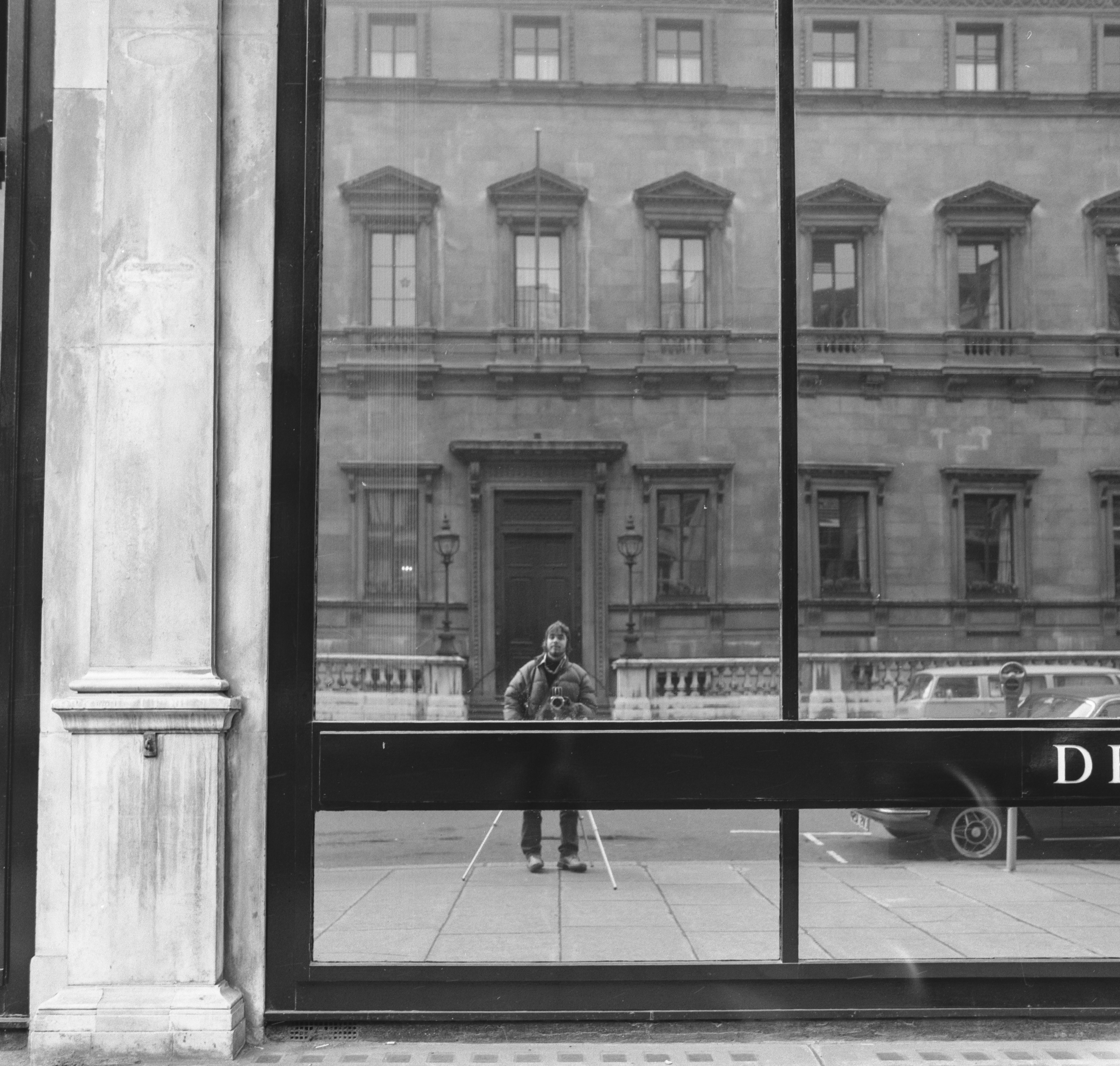
In the Spring of 1976, a then twenty-year-old photography student named John Dean arrived in Nottingham unaware that he would go on to capture some of the most beautiful, compelling and personal street photographs our city has ever seen. Five decades later, many of those images are being shown for the first time in a new exhibition at Bonington Gallery; A Semester in Nottingham, 1976.
Ahead of his exhibition, held at the very university that he briefly studied at fifty years ago, Dani Bacon sat down for a transatlantic Teams call (with a questionable signal), to talk to John about his time in Nottingham, his career and why he’s chosen now as the perfect time to unveil his photographs.

Growing up in Baltimore, Maryland, John knew early on that photography was in his DNA. Inspired after seeing photographs captured by his father during World War Two, and later being handed a Box Brownie at the age of seven, John’s flare for the medium became the foundations of a life-long career.
“In the very beginning with that Box Brownie camera, I started just taking pictures. I didn't question why I was doing it. It felt very natural. It just became the only thing I ever wanted to do.” He explains, whilst merrily swaying on a battered swivel chair, that he later says gleefully was an old gift from a chair-making client, who he shot for once-upon-a-time. Behind him are a selection of his photographs, crudely taped to the wall, a modest display mirroring playful decision making for his upcoming exhibition.
“Later, I got better cameras and used better films. I got an Instamatic and I would take pictures at school, on school trips, of my friends and where we used to go. Then I got serious and in high school I got my first proper film camera, the Minolta SRT 101, which I saved up for. It led to me becoming a yearbook photographer in school.”
I remember the sort of grittiness. It was a mixture of the wonderful smells of the city mingled with the diesel from the buses and the coal dust in the air. The smell of the urban environment struck me as something I will always remember
John later enrolled at the Maryland Institute College of Art, where he took part in an exchange programme with what was once called Trent Polytechnic, now Nottingham Trent University. Arriving in January 1976, John was immediately greeted with cold and windy streets, immediately feeling a little less Baltimore… and a little more Baltic.
“We didn't have central heating. I was in the garret on the top floor of this little Victorian row of houses near the Arboretum on Corporation Oaks, which I recently found is still standing, unlike many of the others that were torn down during that time. We had to slot coins into a little box to give us heating, so we could have hot water for a bath. But the box didn’t even have a bottom so the coins would just drop out onto the floor.
“I remember the sort of grittiness. It was a mixture of the wonderful smells of the city mingled with the diesel from the buses and the coal dust in the air. The smell of the urban environment struck me as something I will always remember.”
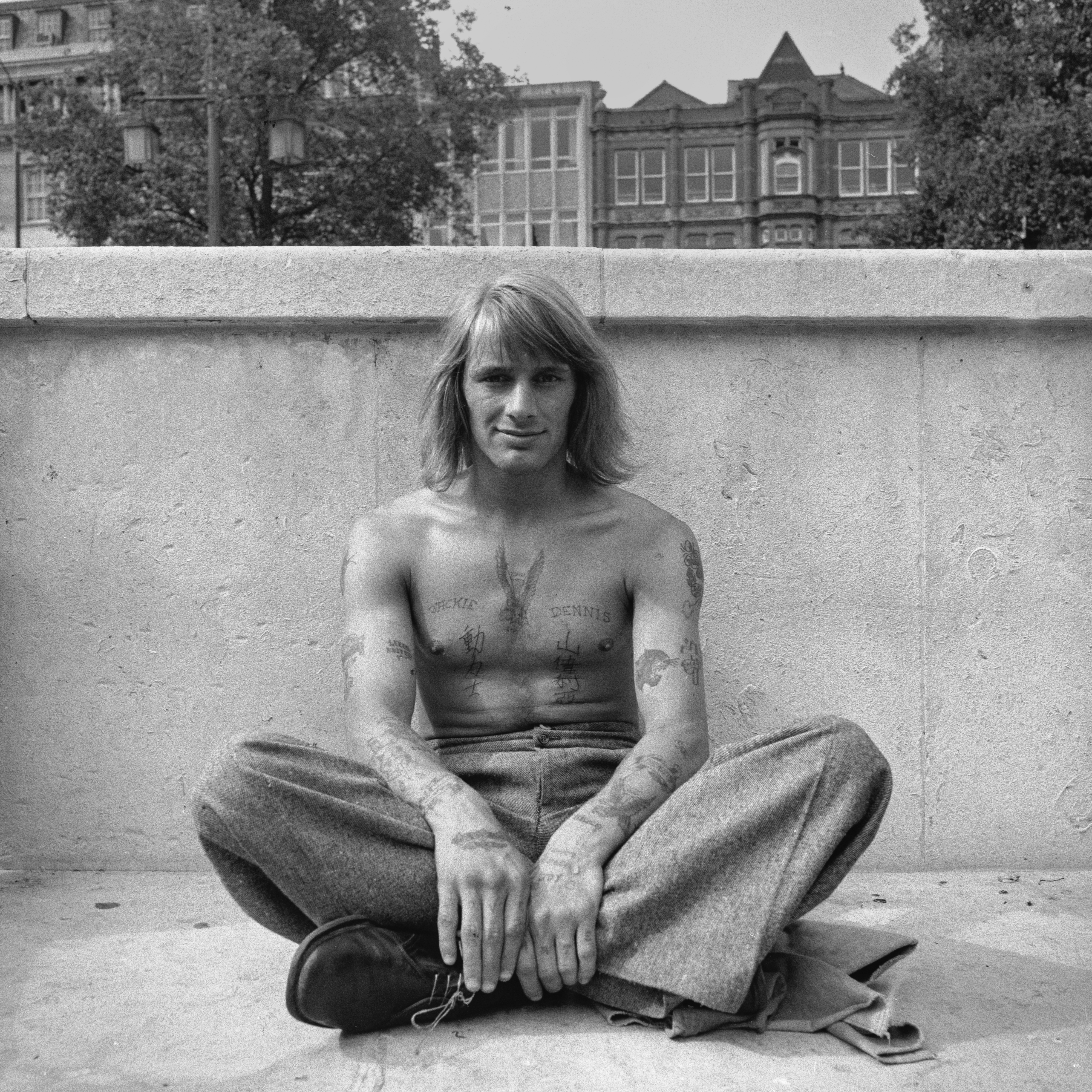
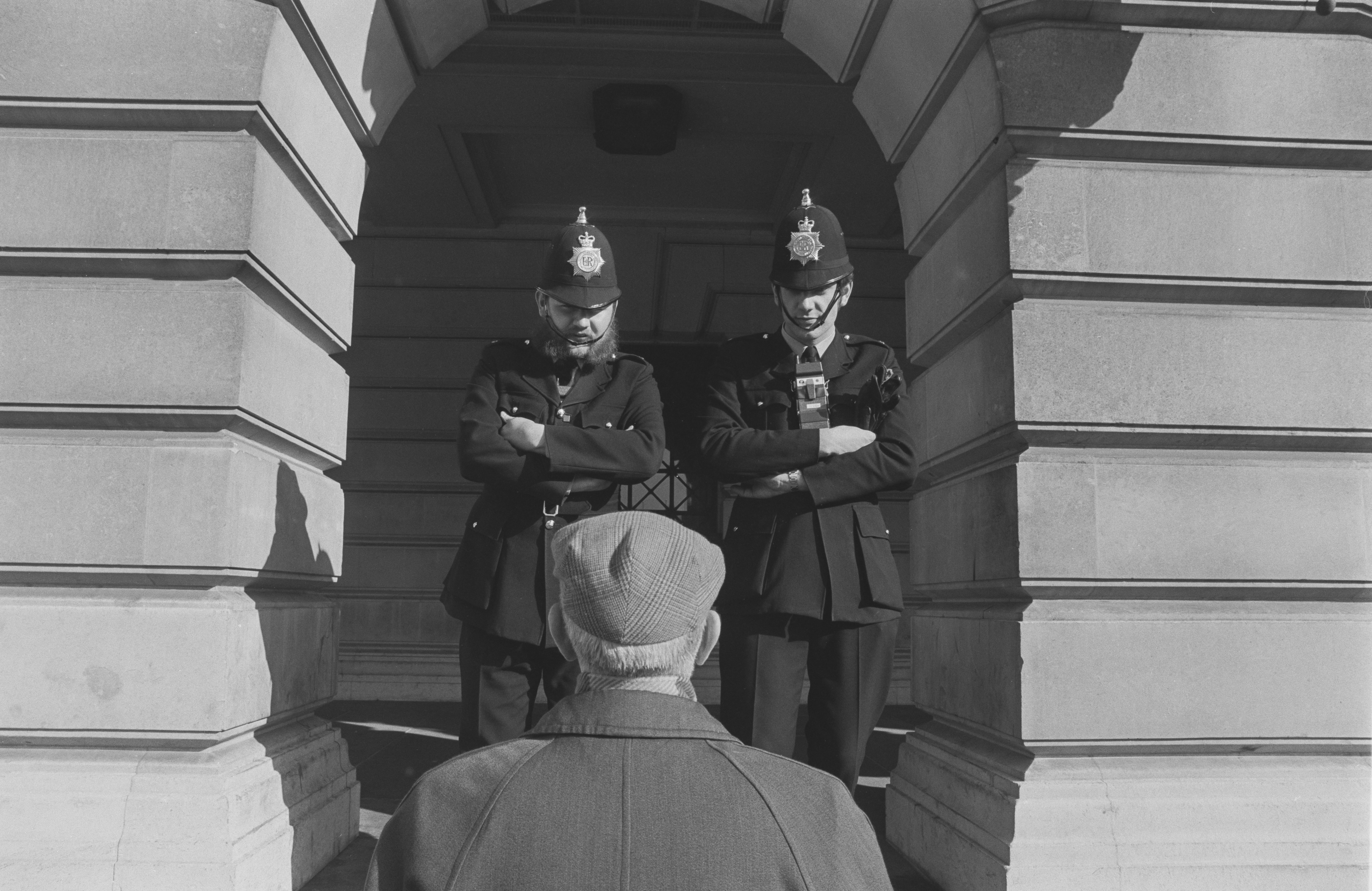
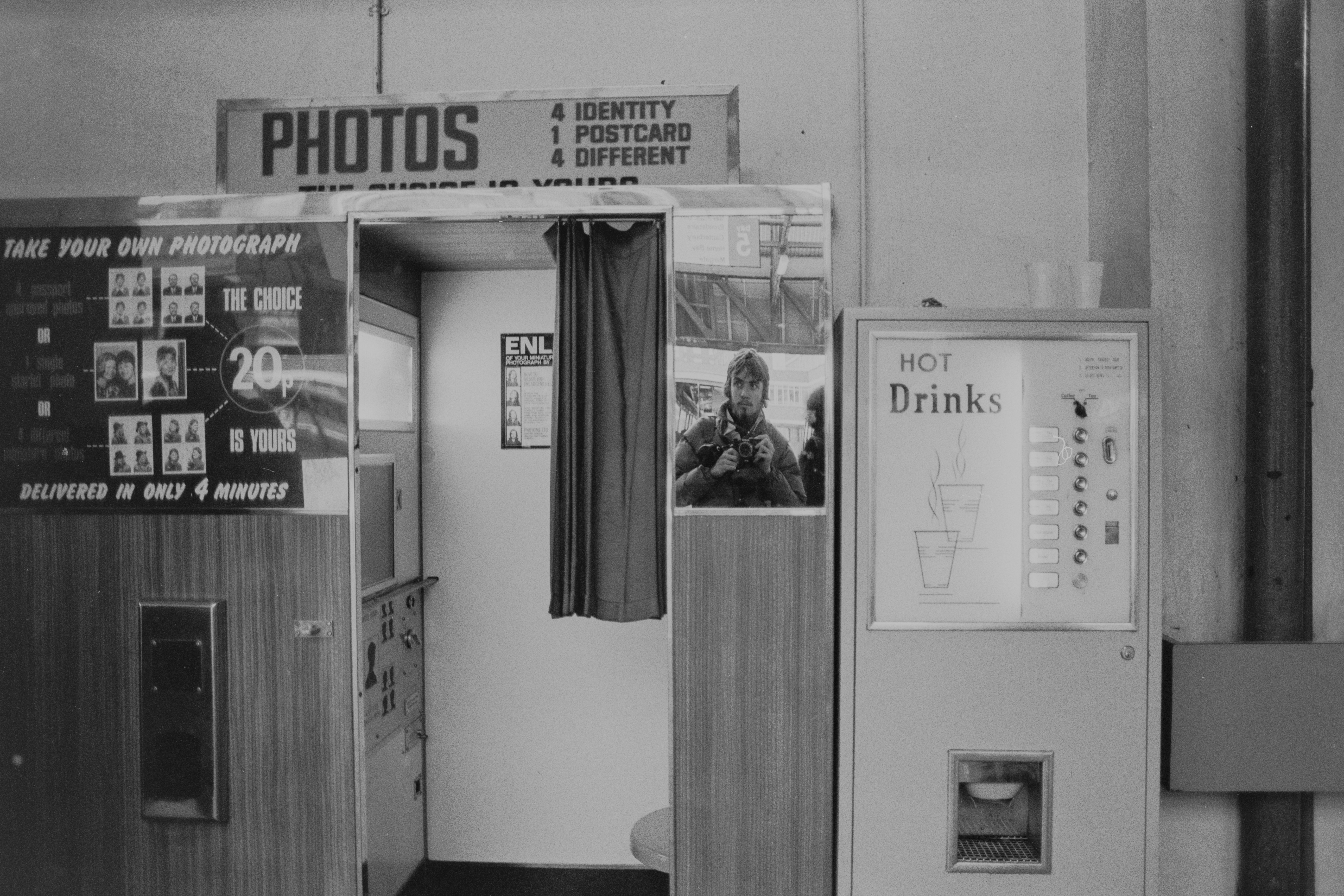
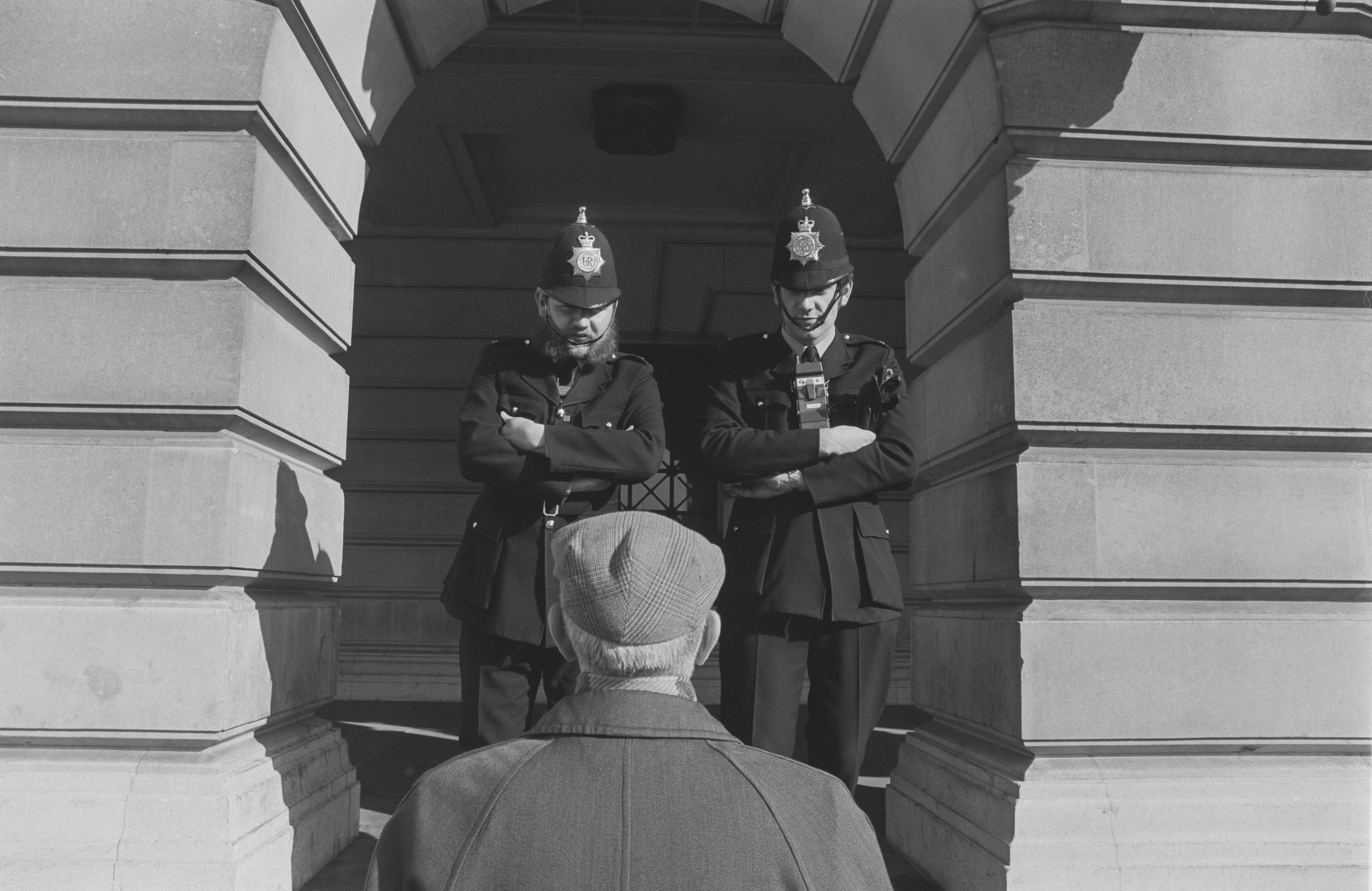
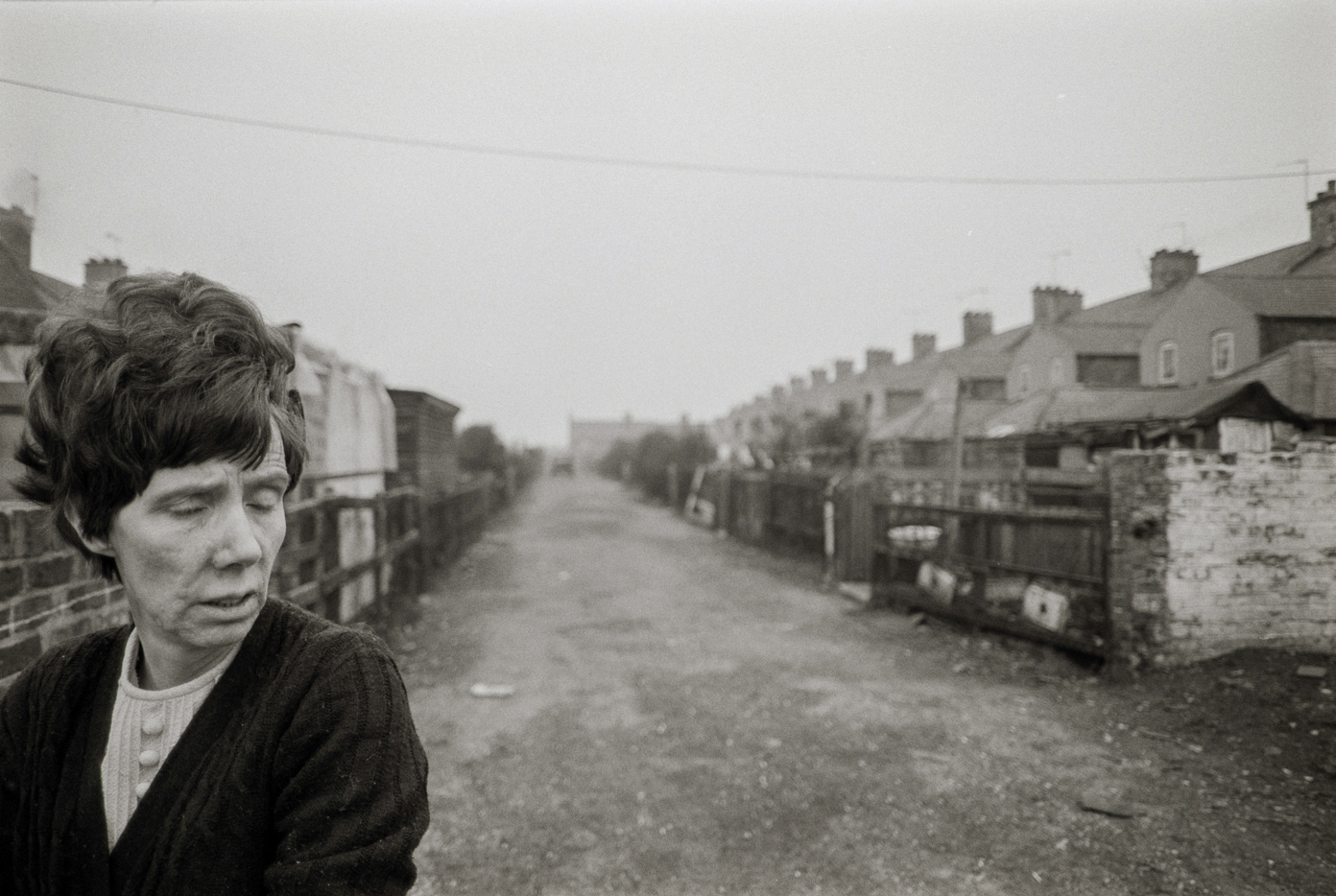
Proudly referring to himself as a tourist, John tells me about how he immediately took to the streets, frequently exploring spaces like the Arboretum, Hyson Green, the Market Square and more, capturing black and white portraits of everyday Nottingham life.
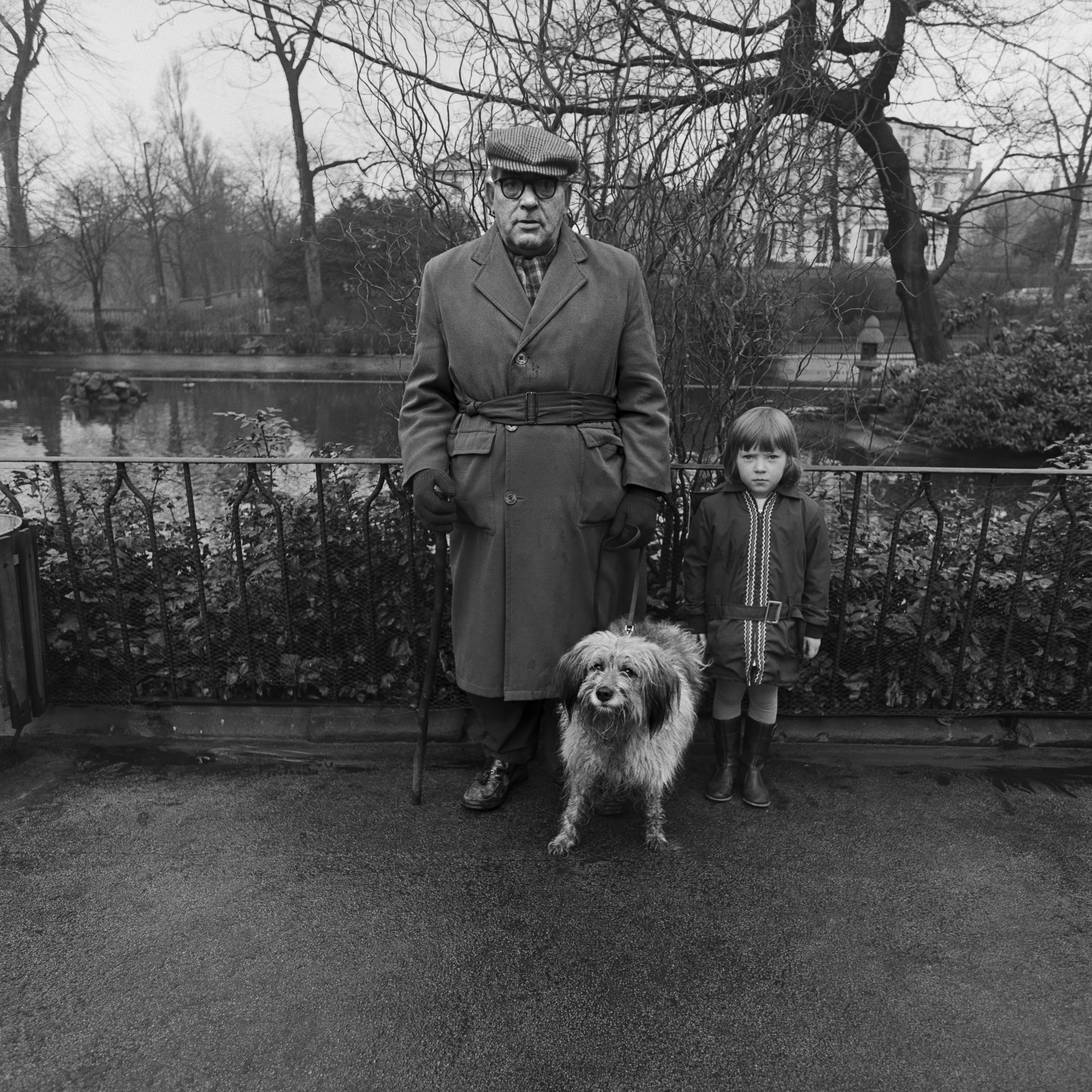
“I found most people pretty approachable. Like the guy with the dog, I think his name was Joe and the dog’s name was Becky and I assume that next to him was his granddaughter. But I saw Joe on a few different occasions, and we talked about lots of different things. I remember him telling me about the harmonica player Larry Adler.
“A lot of people dislike tourists. I think being a tourist is what makes life interesting. I always thought anywhere I visit, the places and buildings are interesting, but the people are what draw me in, you know?”
Within John’s extensive collection of Nottingham photos, captured over the space of just under six months, there’s a marvel of characters amongst familiar (and not so familiar) locations.
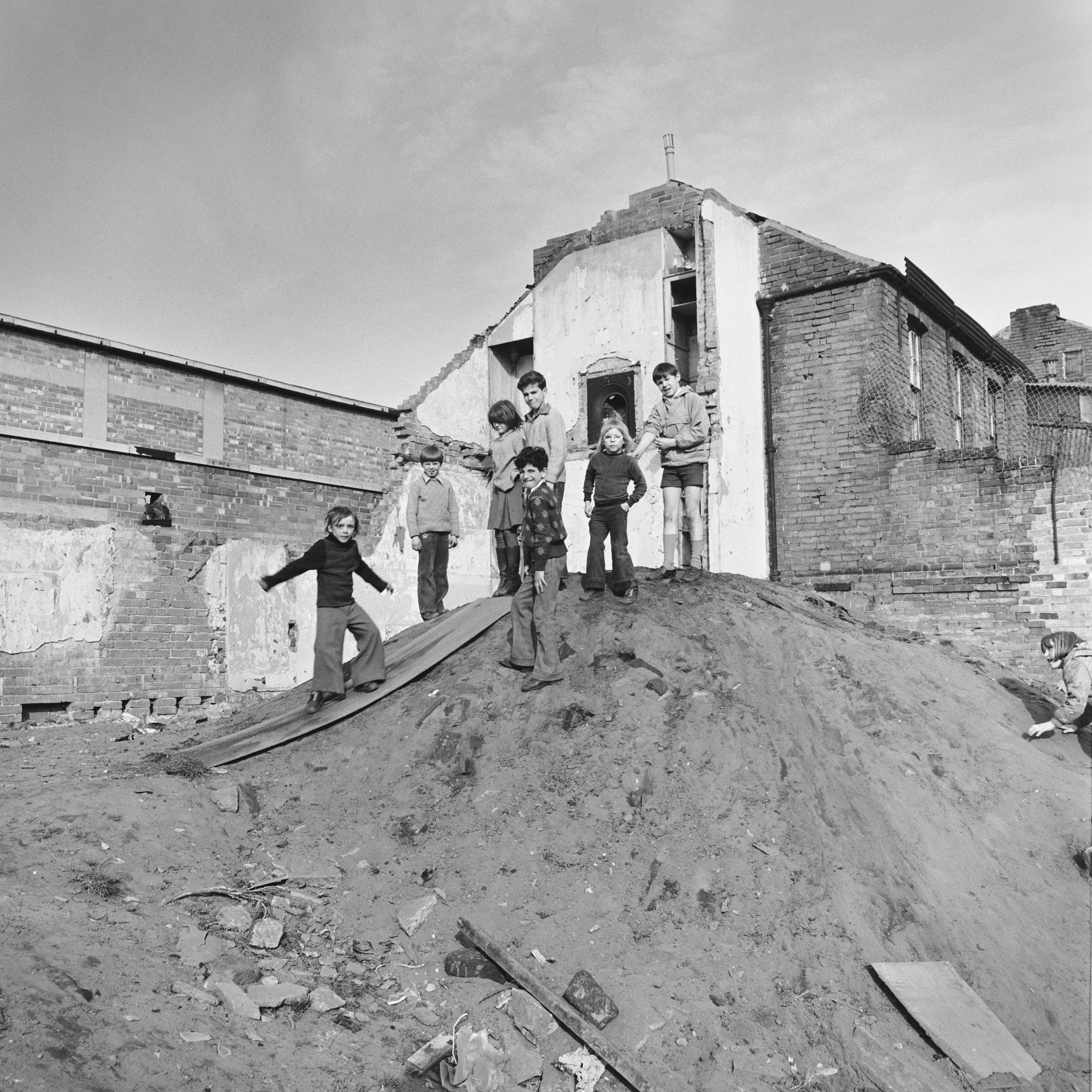
“It was a really interesting time to be in Nottingham then because of all the demolition that was going on, and the kids were roaming the streets and playing in these abandoned buildings.” In the late 70s, Nottingham underwent ‘slum clearing’, which saw many old buildings pulled down, leaving 30,000 residents having to relocate to newer housing.
I’m keen to find out if John has a favourite from this series. Pointing towards a photo of six children huddled on a bench together, pinned to the wall behind him, John explains “That might be one of my favourites from the whole experience. You can see the kid with a flashlight in his hand, probably from looking in all those abandoned buildings, and they’re just relaxing in the Arboretum, just having a minute.

“That was kind of a lucky shot. The 4x5 camera was a little bit unusual, because for that type of shot you would usually ask someone to pose and you get behind the dark cloth to focus. But these kids were just sitting on the bench and said, ‘Hey, take our picture.’ Today, with modern cameras, it would be like, click, done. But back then it was like, ‘okay hold on a second’, and under the dark cloth I went.”
I’m surprised to learn that John hasn’t set foot in Nottingham since the day he returned to Baltimore in June 1976, so I ask why he decided it was time to revisit these photos and put on an exhibition.
“I began digitising all my old work, and when I started mining the archives of my Nottingham negatives, it just became evident that there was a lot that I never really shared, many of my 35mm pictures had never seen the light of day.
“Back then I thought a lot of it was just student junk, like, ‘Oh, this is just me pointing the camera every which way’, but when I looked at it recently, and more importantly, when my assistant Penny looked at it, she said there's something here.
“It just became that simple, looking at stuff that was somewhat forgotten. And you know, the nostalgia enters into it. Look at their shoes. Who has shoes like that anymore? Nostalgia is always a love affair.

“When you look at shows like Mad Men and you think, ‘Oh, the 60s, that was a lovely time’, you forget about all the bad things; people smoking their brains out and drinking like crazy. But the look was something that Mad Men did quite beautifully. They sort of romanticise the view of that time, the style of clothing, the cars, everything. I watch that and I remember my love of Morris Miners, which was the car we drove around in back then. A lot of us are nostalgic for a time, being young and seeing things for the first time.
“Maybe I've reached a point in my life where I'm looking back a little more, I was twenty then and now I'm seventy. So, I guess there's not so much ahead as there was behind.
"I'm so grateful to have this opportunity to look at the work again myself, and to share it with the new Navajo.”
Returning his photographs to the walls of Trent’s Bonington Gallery, where John once roamed the quarry tiled halls as a student half a century ago, feels like a full circle moment. “I'm so happy that my work is back at Trent. One of the pictures in the exhibition, I believe, was taken in a space that became the main Bonington Gallery. It was a place where we used to have critiques, a big open space, and we'd hang the prints up on the wall. It feels very meaningful.
Since graduating from university, John has built a remarkable career as a producer and videographer, creating historical and educational media for museums and non-profit organisations across the United States, plus publishing multiple books. This exhibition will be the first time he walks down the memory lanes of Nottingham again, with hopes to recapture some of the same areas he once wandered while catching up with the doe-eyed and rough-kneed kids from his portraits, now likely in their sixties.
As a film photographer and lover of history myself, there’s no doubt in my mind that John Dean’s exhibition will be one to remember… and Nott to be missed.
John Dean’s A Semester in Nottingham, 1976 is on show at Bonington Gallery until Saturday 9 May.
We have a favour to ask
LeftLion is Nottingham’s meeting point for information about what’s going on in our city, from the established organisations to the grassroots. We want to keep what we do free to all to access, but increasingly we are relying on revenue from our readers to continue. Can you spare a few quid each month to support us?


