
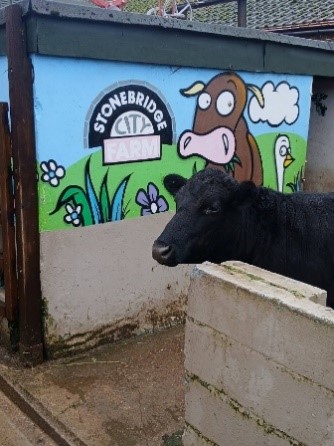
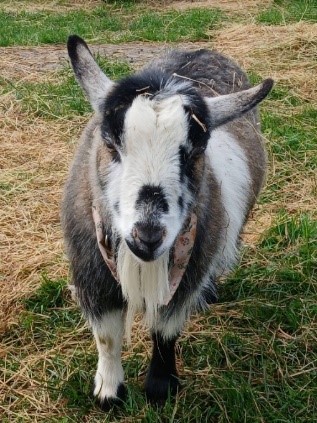
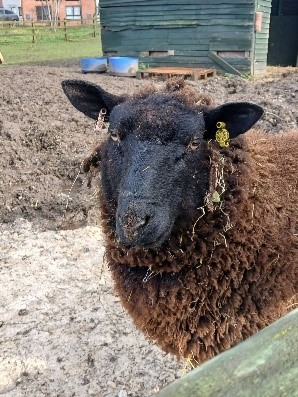
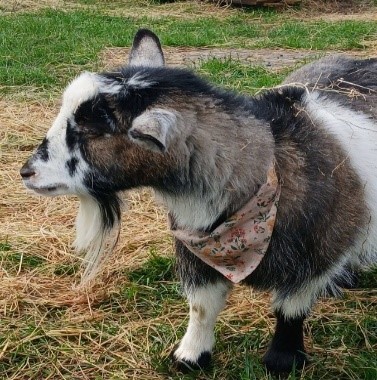
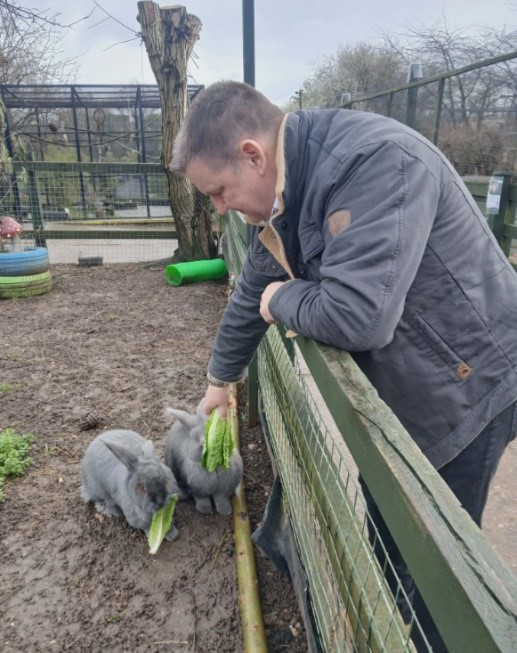
Stonebridge City Farm is Nottingham’s only urban farm, located just around the corner from Sneinton Market. Home to piglets, goats, sheep, cows, turtles, and more, it’s also a rich community hub which welcomes 160 volunteers a week and hosts an impressive array of events. There’s also been recent news about an uncertain financial future for the farm – recently established CEO Rick Harrington tells us more, and reflects on what makes this space special.

Tell us about the farm’s current financial situation…
In the three years before I joined, the farm recorded significant, consecutive losses, so our immediate priority was to stabilise the finances – something we have achieved with the support of our community. With a more business-focused approach, we are now investing in a new shop and cabins to create more reliable, year-round income. This will reduce our dependence on factors like weather and seasonal footfall while strengthening our long-term resilience. Challenges remain, but we are in a stronger position with a clearer plan to secure the farm’s future.
You have mentioned that you are more than just a visitor attraction. What else does the farm offer to the city?
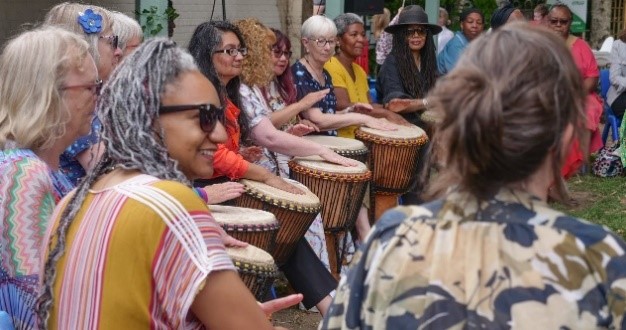
The farm offers more than access to nature. It provides a consistent, open space where people can spend time without pressure or expectation. Regular contact with others, alongside simple, shared activity, supports wellbeing in a practical way. It creates opportunities for informal learning, volunteering and skill-building, particularly for those who are not well served by traditional settings. As a free, accessible space, it acts as part of the city’s social infrastructure, offering connection, routine and a sense of belonging in an area where options are limited.
The UK is currently experiencing a mental health crisis. What is the impact on local communities when ‘safe spaces’ close?
The closure of public spaces such as post offices, banks, Sure Start centres, pubs, and community centres has left fewer places where people can safely connect with others. These were everyday environments where conversation and relationships happened without effort or cost. We are social beings, and when shared spaces disappear, particularly in poorer areas, people are left with nowhere to go. The result is increased isolation, which contributes to depression, anxiety, higher crime, and rising suicide rates. Some places may still be free, but that does not mean they feel safe enough for people to use.
The farm offers more than access to nature. It provides a consistent, open space where people can spend time without pressure or expectation
Would you introduce an entrance fee?
We won’t charge as it’s not what we are about. The farm exists for people. We welcome donations, and like many organisations in our position, securing consistent funding can be challenging. Local authority funding is often structured around specific service outcomes, which don’t always align neatly with how the farm is traditionally perceived as a ‘visitor attraction’. We have local people who visit every day… We want people to be able to turn up and belong.
Why is the farm vital for volunteers?
For younger volunteers, the farm is their safe place, often where they first learn what safety feels like. It is where trust, self-worth and confidence are built, sometimes in ways not possible elsewhere.
Older volunteers are often motivated by giving something back, creating a shared sense of purpose across generations. Many of our volunteers have learning difficulties, or are neurodiverse and rely on the consistency and structure the farm provides. Losing this safe space would place costs for care onto local authorities, estimated at more than £500,000.
Can you highlight some other examples of the benefits that the farm brings to your volunteers?
Stonebridge provides, and often restores, routine and structure. Many people who volunteer with us are out of work, managing long-term conditions or recovering from periods of instability. Stonebridge provides low-pressure social contact. Not everyone can walk into a therapy room. Many can walk into a barn, garden or café. Shared activity reduces social intensity. You talk side by side rather than face to face. It’s important for people with anxiety, trauma histories or low confidence. For volunteers, we see improved confidence, reduced social withdrawal, gradual return to work pathways, improved daily functioning, reduced isolation, informal peer support, and cross-generational contact.
Stonebridge has some beautiful gardens, can you talk a bit about why this is important for the local environment?
Stonebridge supports the environment through what we do every day. We grow vegetables, produce our own honey on site with zero food miles, and we do it without using pesticides. Our planting is set up to support pollinators, and we regularly see bees, butterflies and other insects using the space. We compost what we can and reuse materials, and through plant sales and gardening workshops people take that knowledge and confidence back home, which spreads the impact beyond the farm.
This is local, practical environmental work rather than something that sits in headline carbon figures. We are providing accessible green space in a dense urban area, supporting biodiversity, and reconnecting people with food, nature and the seasons. It is small scale, but it builds the habits and awareness that environmental change depends on, without losing the openness that makes it work.
What can the people of Nottingham do to help the farm?
People can visit, bring others and use our café and shop. Advocate locally, talk about the farm, write to councillors, volunteer. Survival is not sustainability. Short-term cash keeps doors open. Investment builds a viable model. Becoming a Friend of the Farm or setting up a small monthly donation. Businesses can sponsor, donate skills or hold CSR team days. We are investing in revenue-generating assets so we are less exposed to shocks.
If you want to help guarantee the future of one of Nottingham’s safe spaces, head to the Stonebridge website to donate and see what’s coming up.
We have a favour to ask
LeftLion is Nottingham’s meeting point for information about what’s going on in our city, from the established organisations to the grassroots. We want to keep what we do free to all to access, but increasingly we are relying on revenue from our readers to continue. Can you spare a few quid each month to support us?


